Multiple Changes to Washington’s Residential Landlord-Tenant Act

Effective July 28, 2019, the passage of SB 5600, HB 1138, HB 1440, and HB 1462
made permanent changes to Washington State’s Residential Landlord-Tenant Act (RLTA).
Here’s a quick snapshot of the various changes:
— The 3-day notices to pay or vacate have been increased to 14 days, giving tenants an extended time frame to come up with rent and increasing the wait time to begin the
eviction process to two weeks. The new notice also includes a mandatory form in
multiple languages providing resource information for the tenants.
— Rent has been defined to include all recurring charges: not one-time charges.
All payments must be applied to rent first (this is already the rule in Seattle).
— Several changes have been made to the military clause addendum. Service members must now provide 20 days’ notice, up from 7, to terminate a lease if they receive relocation orders outside a certain perimeter from their current location.
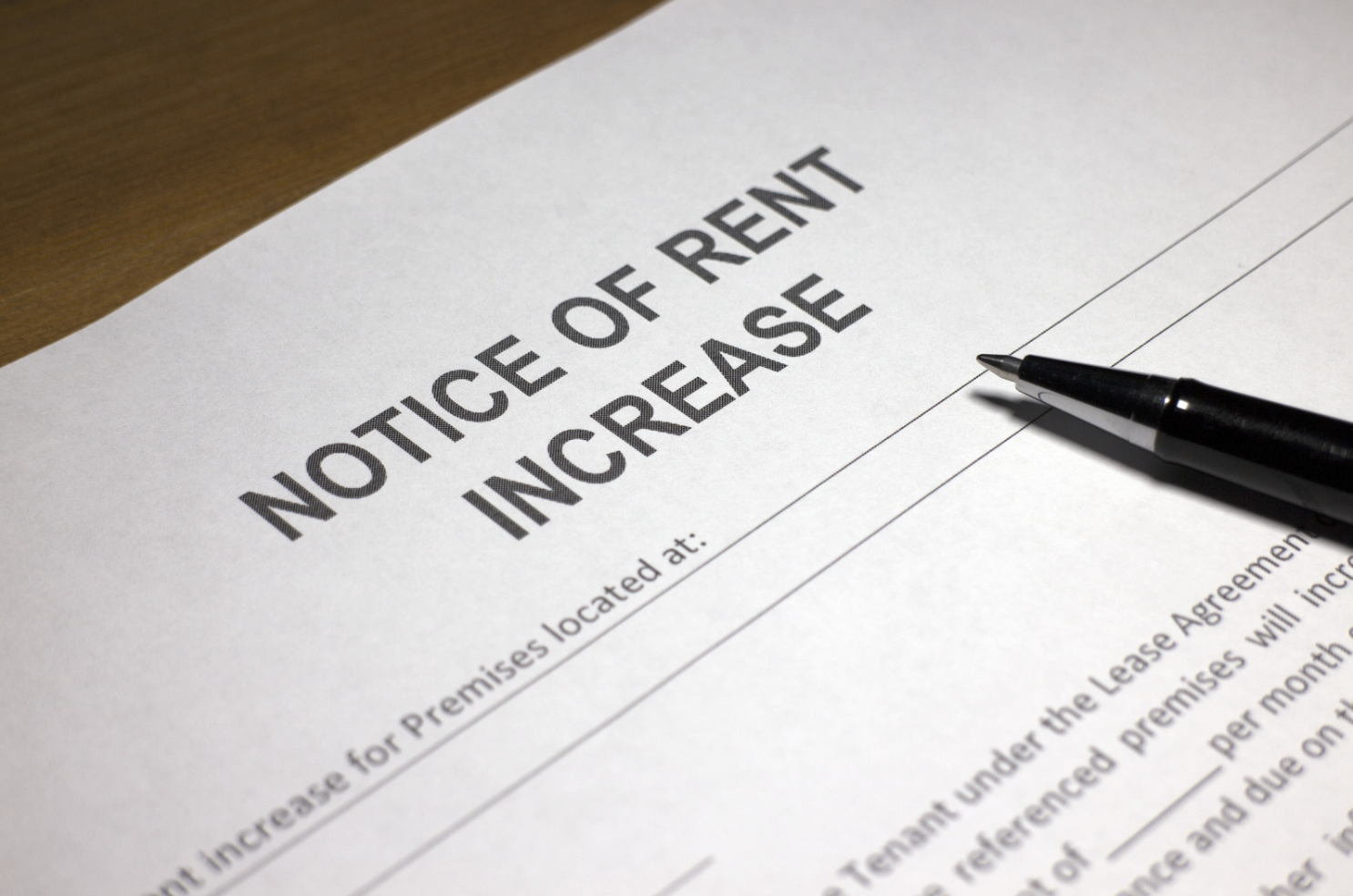
— All landlords must now provide 60 days’ notice for all rent increase, regardless of the
amount of increase. This applies to both term leases and month-to-month leases.
City-specific rules for rent increase will be superseded by this new state law, as the
state law is equally or more restrictive.
— Landlords must provide a 120-day notification to terminate any tenancy due to
demolition or any change requiring a permit. If the owner is moving back into the
property, only a 20-day termination notice is required (this is not considered a change
of use). As with the rent increase rule, this supersedes any rule that is less restrictive.