6 Signs Your Property Manager Isn't Doing Their Job
Wondering if your property manager is doing enough?

Hiring a property manager should make owning a rental property easier. You should have a professional handling day-to-day operations, protecting your investment, and keeping you informed—not find yourself managing the manager.
But how do you know whether a problem is a normal part of rental ownership or a sign that your property manager isn't doing their job?
No property manager can prevent every repair, vacancy, or tenant issue. What matters is how those challenges are handled. Here are six warning signs to watch for, what good property management looks like, and when it may be time to make a change.
1. Your Property Manager Doesn't Respond to Your Calls or Emails
Communication is one of the clearest indicators of a good property management relationship. If you regularly have to chase your property manager for updates, it's reasonable to question whether you're receiving the service you need.
Warning signs include:
- Emails and calls go unanswered for days.
- You repeatedly follow up to get basic information.
- You hear about problems only after they've escalated.
- Your property manager makes commitments but doesn't follow through.
A response doesn't always mean having an immediate answer. Your manager may need to contact a vendor or research an issue. But they should acknowledge your question and explain when you can expect an update.
As a general professional expectation, routine inquiries should usually receive a response within one business day. Emergencies require much faster attention, depending on the circumstances.
What good property management looks like: Proactive communication, clear expectations, and follow-through. You shouldn't have to ask repeatedly to find out what's happening with your own property.
2. Maintenance Problems Keep Coming Back—or Repair Costs Don't Make Sense
Effective maintenance management means more than assigning a vendor. It requires tracking work through completion, communicating with tenants and owners, and making sure the underlying problem is addressed.
Warning signs include:
- The same issue generates repeated work orders.
- Vendors make multiple visits without resolving the problem.
- You receive unexpected expenses without a clear explanation.
- Repairs are marked complete, but the tenant continues reporting the issue.
- No one can explain whether repairing or replacing an aging appliance makes more financial sense.
Not every repeat repair means your property manager has failed. Some problems take time to diagnose, and professional management may involve appropriately licensed, insured, and bonded contractors whose work costs more than the cheapest available option.
The important question is whether the work is effective and cost-conscious over time.
A good property manager considers the property's repair history, the age and condition of the equipment, the likely remaining useful life, and the cost of repeated repairs versus replacement. They should also communicate larger estimates and explain recommendations so you can make informed decisions.
What good property management looks like: A manager who balances cost, quality, compliance, and timely resolution rather than simply choosing the lowest bid.
3. Your Rental Property Sits Vacant Without a Clear Plan
Vacancy costs money, but the right leasing strategy depends on the property, season, rental price, condition, and competition. A property taking longer than expected to rent isn't automatically evidence of poor management. The concern is when nobody is evaluating why it's vacant or recommending changes.
Warning signs include:
- Few inquiries or showings, with no pricing review.
- Listing photos that don't showcase the property well.
- Little feedback about prospective tenants or showings.
- No clear comparison with competing rentals.
- Weeks passing without an updated leasing strategy.
A good property manager establishes a plan at the outset, including the asking rent and when to reassess it. If a property isn't attracting interest, they should evaluate pricing, presentation, listing quality, market conditions, and feedback rather than leaving the listing on autopilot.
For example, if a property has few showings, pricing or marketing may need attention. If showings are strong but applications are limited, condition, price, or other factors may be affecting prospective tenants' decisions.
At Maple Leaf Property Management, vacant listings are reviewed every 7–10 days to evaluate whether updates are needed. The goal is to respond to market feedback rather than let a listing grow stale.
What good property management looks like: Regular owner updates, specific recommendations, and a willingness to adjust the strategy based on results.
FAQ's for Property Rental Owners
4. Your Property Manager Isn't Keeping Up With Regulations or Handling Your Money Properly
Compliance and financial accountability deserve special attention because mistakes can have consequences beyond poor customer service.
Rental housing regulations change frequently, and requirements vary by jurisdiction. Depending on the circumstances, rules may govern notices, lease renewals, rent increases, deposits, and other aspects of rental management.
A notice that isn't delivered correctly or doesn't meet applicable requirements may be ineffective. Similarly, unexplained delays in distributing rental income can create serious concerns about financial management.
Warning signs include:
- Required notices or deadlines are mishandled.
- Your property manager can't explain how they monitor regulatory changes.
- Owner disbursements are repeatedly delayed without a clear explanation.
- Financial statements don't reconcile with expected payments.
- Requests for financial records or clarification go unanswered.
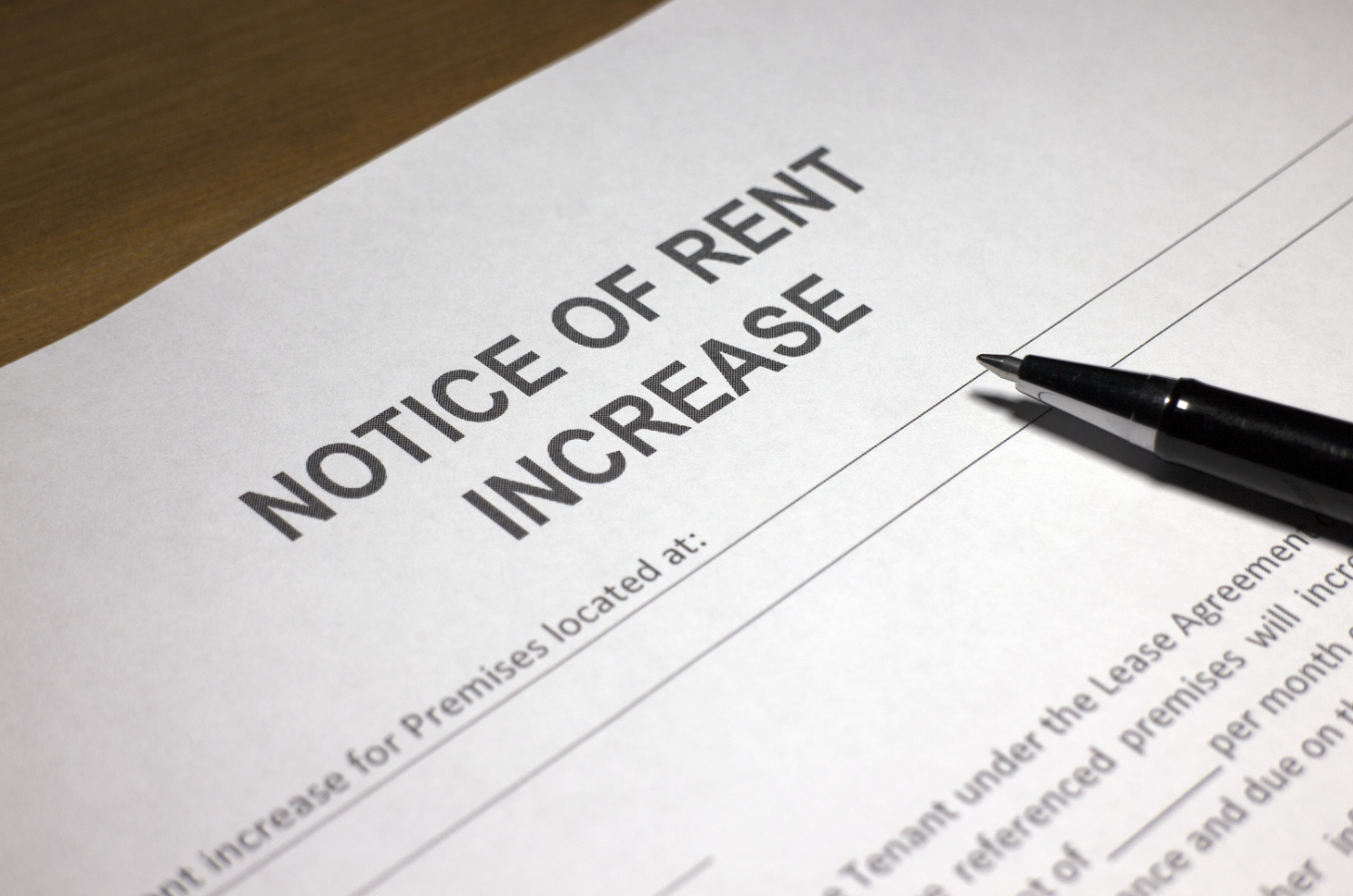
"When we took over a property, we discovered that rent increase notices had not been properly served for several years, affecting subsequent increases and creating significant rent credits owed to the tenants. We worked backward through the records, explained the findings and financial implications to the owner, and recommended correcting the issue rather than allowing the liability to grow. Although the adjustment was costly, we believed it was our responsibility to be transparent and act in good faith with both the owner and tenants. We corrected the rent, addressed the credits owed, and established a proper path for future increases. Doing the right thing isn't always the least expensive option in the short term. But identifying problems early, addressing them transparently, and correcting the underlying process can help prevent more costly complications later."
If you're concerned, request the relevant records, a clear explanation, and a timeline for resolving the issue. For suspected legal errors, consider independent legal advice. For missing or delayed funds, request an account reconciliation and payment timeline.
Serious compliance failures or unexplained, repeated failures to disburse owner funds may warrant more immediate consideration of termination. Review your management agreement and seek legal advice when appropriate.
What good property management looks like: Consistent attention to applicable requirements, accurate financial records, timely disbursements, and clear explanations when something goes wrong.
5. Tenant Problems, Turnover, or Leasing Delays Become a Pattern
Property managers serve owners, but the tenant experience also affects the performance of a rental property. Poor maintenance follow-through and slow communication can contribute to dissatisfaction, preventable turnover, and additional vacancy costs.
Not every tenant complaint or move-out is a management failure. People move for many reasons, and no manager can guarantee every tenant will renew. Look for recurring patterns instead.
Warning signs include:
- Similar tenant complaints keep resurfacing.
- Maintenance issues aren't addressed in a timely manner.
- Turnover repeatedly creates avoidable costs or vacancies.
- Your property manager can't explain recurring problems or recommend improvements.
A good manager looks for the underlying causes. Are maintenance issues affecting tenant satisfaction? Are renewal decisions influenced by rent, property condition, or communication? Could a reasonable improvement help retain a good tenant?
Tenant satisfaction and owner interests are not always identical, but they are often connected. A well-maintained property and responsive management can support renewals, reduce avoidable turnover, and help protect rental income.
At Maple Leaf, we view tenants as customers, too. Taking care of the people who live in our properties is part of managing the investment responsibly.
6. You've Raised the Same Concerns, but Nothing Changes
Even a capable property manager may occasionally miss an expectation. What matters is how they respond when you raise a concern—and whether their response leads to meaningful improvement.
If routine service issues persist, document specific examples and discuss them with your property manager or a supervisor. Explain what needs to change and ask for a clear plan.
Consider:
- Do they take your concerns seriously?
- Do they explain what happened and what will change?
- Do they follow through on agreed-upon next steps?
- Are your expectations aligned with the services in your management agreement?
Sometimes a conversation and a better process are enough to resolve the issue. Other times, the relationship isn't a good fit. An owner who wants frequent updates and close involvement may have different needs from an owner who prefers a hands-off approach.
Serious compliance concerns or unexplained financial problems may require more immediate action rather than a routine improvement plan.
When should you fire your property manager?
If repeated service problems aren't improving, or your management company can't meet your reasonable expectations, it may be time to consider a change.
Before terminating, review your management agreement, document relevant issues, understand any notice requirements or fees, and plan for the transfer of financial records, tenant information, deposits, keys, and outstanding maintenance. Seek independent legal advice if the situation involves potential legal violations, missing funds, or disputed contractual obligations.
The goal isn't to end every difficult relationship. It's to make sure your property is being managed responsibly and that the relationship works for both parties.
Questions to Ask Before Hiring a Property Manager
If you're evaluating a new management company, these four questions address some of the most important concerns rental owners have:
- How do you handle maintenance requests, and how do you decide whether to repair or replace something?
- What happens if my rental property doesn't lease within two weeks—or is still vacant after 30 days?
- How do you keep up with local rental regulations and ensure required notices and deadlines are handled correctly?
- When will I receive my rental income, and how can I review my financial statements or resolve a discrepancy?
Listen for specific processes, not just reassuring promises. Ask how the company communicates, documents decisions, and handles problems when things don't go as planned.
Maple Leaf Property Management Services
The Bottom Line
Good property management is about more than collecting rent. It's about communication, accountability, sound decisions, and follow-through.
At Maple Leaf Property Management, each property has a dedicated local property manager who can make informed recommendations about maintenance, leasing, renewals, and long-term asset care. Our average maintenance resolution time is six days, and we review vacant listings every 7–10 days to evaluate whether updates are needed.
Those practices reflect our focus on timely resolution and proactive management. No company can guarantee that every issue will be avoided, but owners should expect their manager to take responsibility for addressing challenges and keeping them informed.
If your current property manager isn't meeting your needs, start by identifying what's not working and whether meaningful improvement is possible. If the gap can't be resolved, finding a better fit may be the right next step.